



Why does double cleansing damage the skin barrier in the winter?
Why does double cleansing damage the skin barrier in the winter?
— A professional, skin physiology guide to gentle 1-step cleansing
Many people think that "clean skin = squeaky, completely degreased feeling".
But that feeling means that both the sebum protection and the lipid layer between the skin cells have been removed.
Over time, this can lead to faster aging, dryness, redness, imbalance and a weakened skin barrier.
When humidity is low in winter –
and especially in Europe where hard water (lime) is common –
cleansing stress on the skin becomes even stronger.
Here I explain why double cleansing can be problematic,
and why a mild, slightly acidic 1-step cleanser is a safer choice.
1️⃣ Why double cleansing weakens the skin barrier

■ Oil + alkaline foam cleanser = over-removal of the skin's protective lipids
Both oil cleansers and alkaline foam cleansers have high fat solubility.
They not only dissolve makeup, but also the skin's own ceramides, cholesterol and fatty acids –
i.e. the building blocks of the skin barrier.
It works in the same way as strong alkaline detergents that remove grease from textiles.
📌 The result?
-
Lipid loss → greatly increased TEWL (water evaporation)
-
pH rises → slower barrier repair
-
Damage to the lipid layer between skin cells → increased microinflammation
Studies show that when the skin is exposed to alkaline products,
It may take over 3 hours for the pH to return to normal levels.
Meanwhile, the skin is extra susceptible to irritation.
2️⃣ Why slightly acidic (pH 4.5–5.5) cleansers are safer
Healthy skin has a natural pH of 4.5–5.5.
A slightly acidic cleanser supports the skin's NMF (Natural Moisturizing Factor)
and maintains the balance between cleansing and moisturizing.
Benefits of weakly acidic cleaning
✔ Minimal damage to the barrier lipids
✔ Faster pH normalization
✔ Better microbiome balance
✔ Good for skin with imbalance, redness, rosacea and impure skin

3️⃣ "But is the foam cleaner too mild?"
→ Then choose absorbent ingredients instead of strong surfactants
Many people feel that weakly acidic cleaners don't clean enough.
The solution is not stronger foam, but ingredients that absorb excess sebum without damaging the skin.
Recommended ingredients
🧪 Clay (Kaolin, Bentonite) – absorbs sebum and impurities
🧱 Charcoal – draws out oil and dead skin cells from pores
🍍 Enzymes (Papain, Bromelain) – gently dissolve protein-based keratin
☁️ Gentle foam/enzyme/oil-to-foam textures – cleanses without stripping the skin
Such ingredients make a weakly acidic cleanser effective enough
for the "dry winter + weakened skin barrier" situation.
4️⃣ Why an oil-to-foam 1-step cleanser is smart
An oil-to-foam cleanser works like this:
-
Melts dirt and sunscreen like an oil
-
Foams easily when it meets water → gentle cleansing
-
Maintains skin-friendly pH
So you get:
-
The oil cleaner's dissolving power
-
Foam cleanser's cleaning power
-
Slightly acidic pH for barrier protection
On days without heavy makeup, this is much safer than double cleansing.
5️⃣ Who in particular should use a mildly acidic and gentle cleanser?
-
Rosacea
-
Skin that easily turns red or warm
-
Dry or combination skin
-
Winter dryness/tight skin after shower
-
Those who live in areas with hard water
-
Those who often double cleanse and notice a weakened skin barrier
✔️ Conclusion
In winter the principle applies:
“Clean with the least stress, protect the most.”
-
Daily double cleansing = faster barrier degradation
-
Weakly acidic 1-step cleanser is much more barrier-friendly
-
Clay/charcoal can be used as a supplement if needed
-
The best cleanser does n't leave your skin feeling dry afterwards.
A strong skin barrier is the foundation for moisture, glow, anti-aging and an even skin tone.
BESTSELLERS
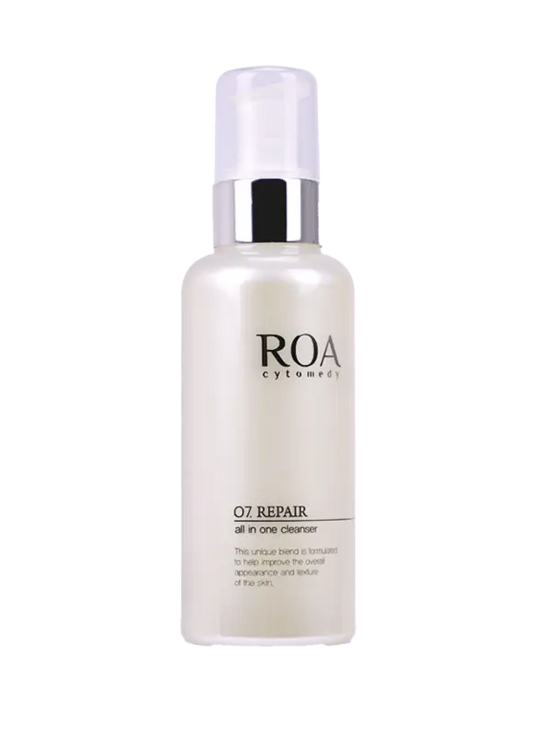

All-in-one Cleanser 150ml
- 282,00 kr
282,00 kr- 282,00 kr
- Unit price
- per
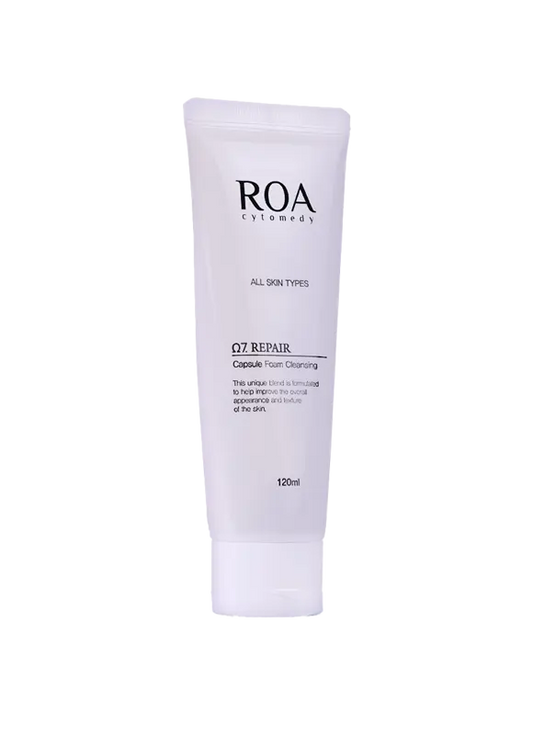

Bamboo Charcoal Cleanser 120ml
- 141,00 kr
198,00 kr- 141,00 kr
- Unit price
- per
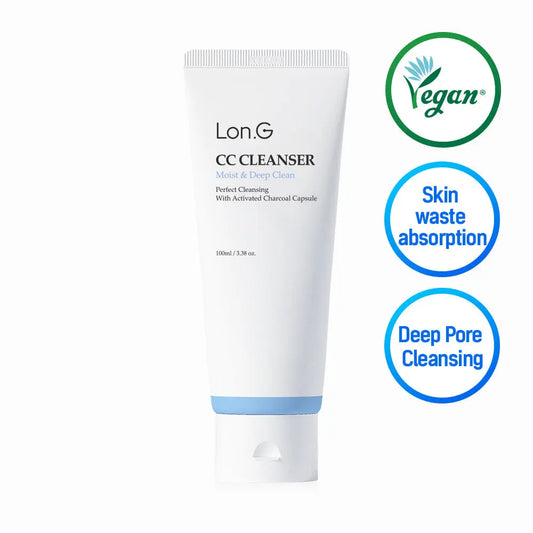

CC Cleanser 100ml
- 170,00 kr
212,00 kr- 170,00 kr
- Unit price
- per
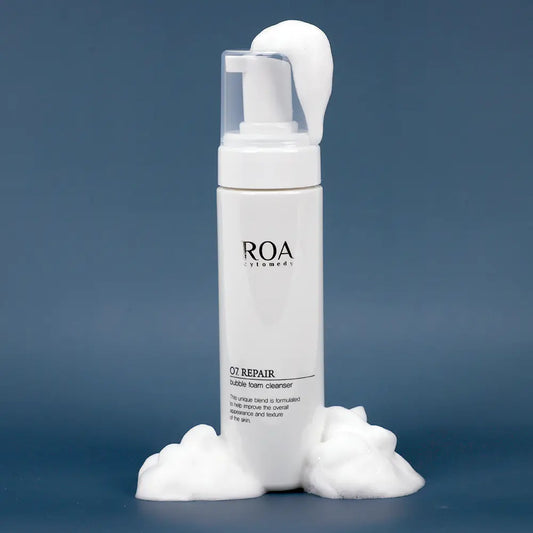

O7 Repair Bubble Foam Cleanser 200ml
- 141,00 kr
282,00 kr- 141,00 kr
- Unit price
- per
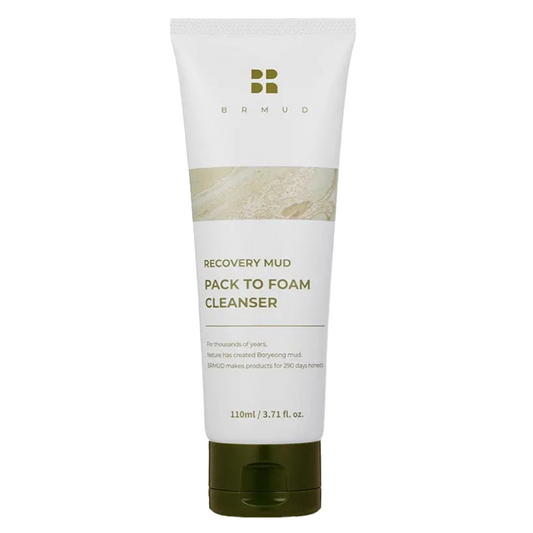

Recovery Mud Pack to Foam Cleanser 110ml
- 184,00 kr
226,00 kr- 184,00 kr
- Unit price
- per
Red Ginseng Enzyme Washing Powder 50g
- 198,00 kr
247,00 kr- 198,00 kr
- Unit price
- per